

Posted by Don Smith on 23rd Feb 2026
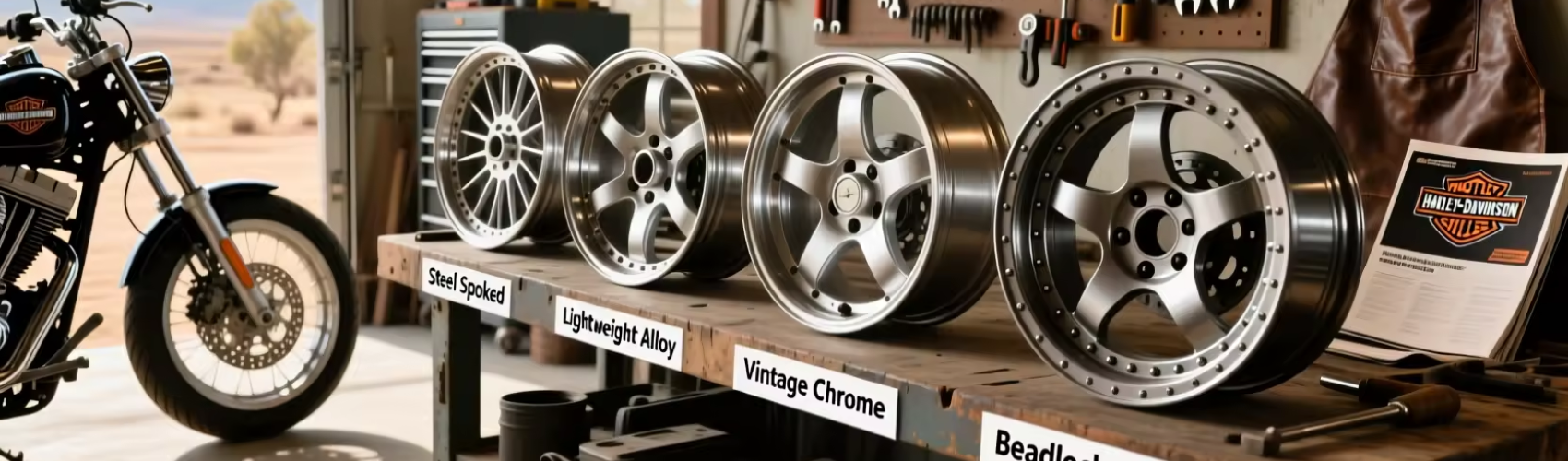
Your Harley’s wheels do more than just look good. They shape how your bike rides, handles, and feels on the road. The right wheels improve cornering control, smooth out bumps for better comfort, and enhance performance by reducing unnecessary weight.
And let’s be honest, wheels also define your Harley’s attitude and visual impact.
Upgrading Harley wheels is a big investment, and choosing the wrong setup can affect both ride quality, and safety.
This guide breaks down what really matters and helps you avoid common mistakes so you can pick the right Harley wheels to match your riding style, performance needs, and signature Harley look.
Front Wheel vs. Rear Wheel: Which One is a Perfect Fit for Your Harley?
Choosing the right front and rear wheels for your Harley isn’t just a style decision. Each wheel plays a different role in how your bike handles, rides, and performs. Here’s a simplified understanding to help you make the right call.
Common Harley Wheel Sizes
Front Wheel Sizes
- 19": Offers balanced handling and ride comfort. Ideal for daily riding and long-distance cruising.
- 21": A popular Harley size that blends sharp looks with decent handling.
- 23": Leans more toward custom styling while still being rideable with proper setup.
- 26": Built mainly for visual impact. Handling and comfort depend heavily on suspension and tire choice.
Rear Wheel Sizes
- 16": Delivers the smoothest ride and best stability. Ideal for touring and everyday Harley cruising.
- 18": Offers a balanced mix of comfort and performance. Great for riders wanting a sportier feel without sacrificing ride quality.
- 19": Enhances acceleration feel and gives a more aggressive stance. Slightly firmer ride compared to smaller sizes.
- 21": Built for bold custom looks. Best suited for show-focused builds with careful fitment and setup.
How Wheel Size Impacts Riding Ability
- Turning Response: Smaller wheels turn quicker and feel lighter during slow-speed maneuvers. Larger wheels require more effort to steer, especially in city riding.
- Stability: Properly sized wheels improve straight-line stability, specifically at highway speeds. Oversized wheels, without tuning, can feel unstable.
- Ride Height: Bigger wheels raise the bike’s height, changing rider posture and center of gravity.
- Tire Availability: Standard wheel sizes offer more tire options, better pricing, and easier replacements. Extreme sizes can limit choices.
Front Wheel Considerations
- Narrow Front Wheels: Improve steering control and responsiveness. Best for riders focused on comfort and handling.
- Wide Front Wheels: Deliver a bold and aggressive look, but can reduce turning ease and may need suspension adjustments.
- Performance vs. Visual Impact: Smaller front wheels favor ride quality, while oversized wheels emphasize style over agility.
Rear Wheel Considerations
- Load Support: The rear wheel carries most of the bike’s weight, including the rider, passenger, and luggage.
- Traction: Wider rear wheels improve grip during acceleration and help manage Harley’s torque.
- Compatibility: Rear wheels must clear saddlebags, exhaust systems, and maintain proper belt or chain alignment.
Comparison Table: Front Wheels vs. Rear Wheels
|
Critical Factors |
Front Wheel |
Rear Wheel |
|
Primary Role |
Controls steering and overall handling. |
Delivers power and supports the bike’s load. |
|
Impact on Ride Feel |
Affects turning response and front-end stability. |
Influences the traction and acceleration feel. |
|
Width Importance |
Narrow wheels improve control, and wide wheels boost visual appeal. |
Wider wheels improve grip and torque management. |
|
Performance Focus |
Steering precision and riding confidence. |
Traction, stability, and power transfer. |
|
Visual Influence |
Defines the bike’s stance and first impression. |
Adds muscle and balance to the rear profile. |
|
Fitment Considerations |
Fork clearance, rake, suspension alignment. |
Exhaust, saddlebags, belt/chain alignment. |
Spoke vs. Billet Wheels: How to Select the Best One for Your Bike
When it comes to upgrading your Harley, spoke vs. billet wheels is more than a style decision. Each option changes how your bike feels, handles, and performs on the road and influences everything from cruising comfort to control at higher speeds.
Spoke Wheels
- Classic Harley Aesthetic: Spoke wheels deliver a timeless and old-school Harley look. They’re a favorite for riders who value heritage, chrome, and traditional styling.
- Lightweight Options: Many spoke wheels are lighter than solid designs, helping improve steering feel and low-speed maneuverability.
- Maintenance Considerations: Spokes require periodic inspections and cleaning. Poor maintenance can lead to loosened spokes or corrosion over time.
- Ideal Rider Profiles: Best suited for cruisers, touring riders, and anyone who prioritizes comfort, tradition, and relaxed riding over aggressive performance.
Billet Wheels
- CNC-Machined Precision: Billet wheels are cut from solid aluminum using CNC machines, ensuring exact tolerances and consistent quality.
- Strength & Rigidity: Their solid construction offers superior stiffness, improving stability during hard acceleration, braking, and high-speed riding.
- Modern & Aggressive Styling: Clean lines and bold designs give billet wheels a powerful and contemporary look that stands out on the road.
- Better for Performance Riding: Ideal for riders who push their bikes harder, spirited street riding, performance builds, and custom Harleys focused on control.
Comparison Table: Spoke Wheels vs. Billet Wheels
|
Factors |
Spoke Wheels |
Billet Wheels |
|
Weight |
Generally lighter. |
Heavier but more rigid. |
|
Durability |
Durable with proper upkeep. |
Extremely strong and long-lasting. |
|
Cost |
Usually more affordable. |
Higher upfront investment. |
|
Maintenance |
Requires regular inspection and cleaning. |
Low maintenance. |
|
Riding Style Fit |
Cruising, touring, classic riding. |
Performance, aggressive, custom builds. |
Touring vs. Bagger vs. Performance Riding: Make the Right Choice of Harley Wheels to Meet Your Riding Needs
Your riding style should always drive your wheel choice. Touring miles, bagger builds, and performance-focused riding all demand different wheel characteristics. Choosing the right setup ensures comfort, control, and confidence, no matter how you ride.
Touring Riders
- Comfort & Long-distance Durability: Touring riders need wheels that absorb road imperfections and stay reliable over thousands of miles. Strength and stability matter more than extreme styling.
- Load-Bearing Needs: With luggage, passengers, and gear, touring wheels must handle extra weight without flexing or compromising ride quality.
- Conservative Sizing Recommendations: Moderate wheel sizes offer better tire availability, smoother ride comfort, and easier roadside maintenance on long trips.
Bagger Builds
- Visual Balance with Stretched Bags: Wheels should complement extended saddlebags without overpowering the bike’s proportions. Balance is key.
- Larger Front Wheels: Oversized front wheels are common in bagger builds, adding road presence and a bold, custom stance.
- Matching Front/Rear Aesthetics: Consistent wheel design front and rear creates a clean, cohesive custom look that defines modern baggers.
Performance Riding
- Weight Reduction: Lighter wheels reduce unsprung mass by improving acceleration, braking response, and cornering agility.
- Strength Under Aggressive Riding: Performance riding demands wheels that stay rigid under hard braking, fast lean angles, and high torque.
- Tire Profile Compatibility: The right wheel width ensures optimal tire contact, grip, and predictable handling at higher speeds.
Comparison Table: Touring vs. Bagger vs. Performance Riding
|
Factors |
Touring |
Bagger |
Performance |
|
Primary Focus |
Comfort and reliability. |
Style and presence. |
Control and speed. |
|
Wheel Priority |
Durability and stability. |
Visual impact and balance. |
Lightweight strength. |
|
Load Handling |
High. |
Moderate. |
Low. |
|
Styling Approach |
Subtle and functional. |
Bold and custom. |
Clean and aggressive. |
|
Tire Selection |
Widely available, long-life. |
Style-focused options. |
Performance-oriented compounds. |
Real-World Use Cases
- Touring-Focused Setup: Long-distance touring riders often choose conservative wheel setups to ensure comfort, easy tire replacement, and consistent highway stability.
- Custom Bagger Style: Custom bagger builders lean toward larger front wheels paired with matching rear designs to create a show-ready yet rideable look.
- Performance-Oriented Riding: Performance-focused Harley riders prioritize lightweight, rigid wheels to improve braking feel, cornering confidence, and overall responsiveness.
5 Most Common Mistakes Buyers Make When Choosing Harley’s Wheels
Upgrading Harley wheels is exciting, but it’s also where many riders make costly mistakes they later regret. Here are the most common pitfalls and how to avoid them.
-
Choosing Size for Looks Only
Bigger wheels may look aggressive, but oversized setups can hurt handling, slow steering response, and reduce ride comfort. The best-looking wheel is the one that also matches your riding style and bike geometry.
-
Ignoring Tire Availability
Not all wheel sizes offer easy tire options. Uncommon sizes often mean limited brands, higher costs, and longer wait times. Always check tire availability before committing to a wheel upgrade.
-
Mixing Incompatible Components
Wheels must work with your hubs, spacers, bearings, ABS, and drivetrain. Mixing parts without proper compatibility can lead to alignment issues, vibration, or unsafe riding conditions.
-
Overlooking Suspension and Brake Fitment
Larger or wider wheels can interfere with brakes, calipers, rotors, and suspension travel. Skipping fitment checks often results in costly modifications or wheels that don’t fit at all.
-
Buying Wheels Without Full Installation Kits
Missing spacers, bearings, or mounting hardware can delay installation and add unexpected costs. A complete installation kit ensures proper fitment, safety, and a smoother upgrade process.
Why Package Pricing Matters?
When upgrading motorcycle wheels, package pricing isn’t just about convenience; it’s about getting everything right the first time. Buying individual components separately often leads to fitment issues, extra costs, and installation delays. A complete wheel package eliminates those risks.
Value of Buying Wheel Packages
- Wheels + Tires: Pre-matched wheels and tires ensure correct sizing, proper tire profile, and balanced performance right out of the box.
- Bearings: Correct bearings are included and installed to match your bike’s axle size and load requirements.
- Rotors: Properly sized rotors ensure consistent braking performance without clearance or alignment issues.
- ABS Rings: Correct ABS ring compatibility maintains factory safety systems and prevents error codes.
- Spacers: Precision spacers ensure perfect alignment, reducing vibration and uneven wear.
Benefits of Considering Wheel Packages
- Proper Fitment: Every component is selected to work together, eliminating guesswork and compatibility issues.
- Cost Savings: Bundled pricing is typically more affordable than buying parts individually and paying for extra adjustments.
- Reduced Installation Time: With everything included, installation is faster and cleaner, with no waiting for missing parts.
- No Missing Components: You get exactly what’s needed for a complete install, nothing more, nothing less.
Wheel packages simplify the upgrade process, protect your investment, and ensure your motorcycle is road-ready without repeat installs or surprise expenses.
Why Does the Rotation Wheels Stand Out?
Selecting the right wheels matters just as much as choosing the right bike. With years of hands-on experience with Harley fitments and hundreds of real-world installs, Rotation Wheels has built a reputation that riders know they can rely on.
Every wheel is designed with lessons learned in the field, ensuring that performance, safety, and fitment are never compromised.
- Proven performance across touring, bagger, and performance builds
- Engineered for compatibility, addressing common issues with brakes, ABS, suspension, and tire fitment
- Refined through real installations, not guesswork, minimizing common mistakes riders make
- Riders consistently report better stability, smoother ride feel, and seamless installs
- Preferred by cross-country touring riders for long-distance durability, confidence, and comfort
- Trusted by custom builders to balance bold styling with functional performance
Rotation Wheels combines experience, precision engineering, and rider feedback, delivering solutions that let you buy once, install once, and ride with complete confidence whether you’re cruising, touring, or pushing your Harley to its limits.
Wrap-Up: Make the Right Harley Wheel Choice
Your Harley deserves wheels that do more than turn heads. They need to match your riding style and deliver reliable performance on every ride.
Whether you’re hitting long-distance highways, rolling out a custom bagger, or pushing your bike for performance, the key is to balance style with functionality. Avoid common mistakes like ignoring fitment, tire options, or component compatibility, and trust providers with real Harley experience who know what works in the real world.
Not sure which wheels are right for you? Get expert guidance before buying Harley wheels to ride smart, ride confident, and enjoy every mile to the fullest.
Frequently Asked Questions (FAQs)
1. How do I know what wheel size is right for my Harley?
Wheel size depends on your riding style, handling preferences, and motorcycle type.
- Touring riders usually prefer moderate sizes for comfort and stability
- Bagger builds favor for larger front wheels for visual impact
- Performance riders often choose lightweight wheels for better handling and acceleration
2. Should I choose spoke wheels or billet wheels?
Spoke wheels are ideal for classic styling and cruising comfort, while billet wheels offer modern looks, rigidity, and performance advantages. The choice depends on whether you prioritize aesthetics, performance, or a balance of both.
3. Can I upgrade the wheels myself, or should I rely on a professional?
Installing Harley wheels requires precise fitment with brakes, ABS, suspension, and drivetrain components. While experienced riders may install them safely, most prefer professional installation to avoid alignment issues and ensure safety.
4. Are wheel packages worth it, or should I buy wheels and tires separately?
Wheel packages include everything you need: tires, bearings, spacers, rotors, and ABS rings to ensure proper fitment, reduce install time, and minimize compatibility issues. Packages save money and prevent costly mistakes, making them the preferred choice for most riders.